
EV Vehicle Rodent Protection
Rodent removal and Rodent Armor™ protection engineered for Tesla, Rivian, Lucid, and all electric vehicles. An EV is built around integrated electrical architecture, so a single chewed wire can trigger faults across multiple systems and turn into a repair that requires pulling panels or dropping the battery tray to reach. Mobile service across Los Angeles and Orange County.
Rodent Armor™ Installation For EV Vehicles
Installation is performed on site and covers the full vehicle. We protect wiring runs, battery tray components, and enclosed cavities, then address the garage, carport, or storage area around the vehicle so the protection extends beyond the car itself.
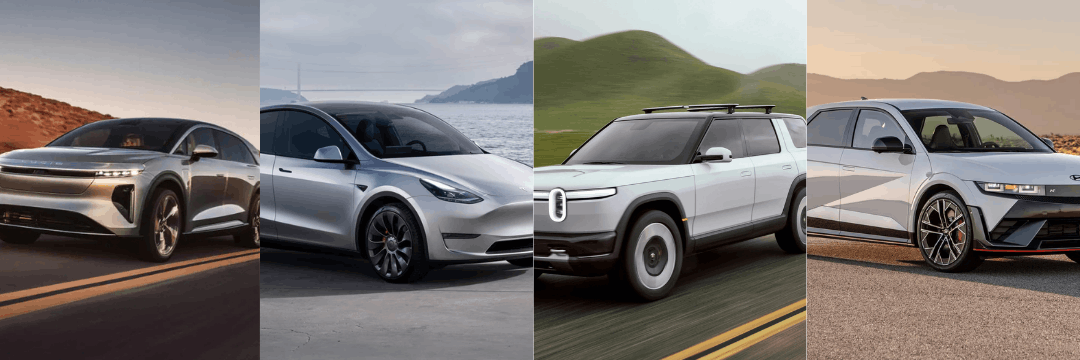
EV Vehicles We Protect
All EV Brands
Model S · Model 3 · Model X · Model Y · Cybertruck
Tesla's integrated frunk, sealed battery tray, and soy-based wire insulation make them the most frequently targeted EV by rodents in Southern California. We've serviced every model.
- Dedicated Rodent Armor™ Tesla Kit available
- Full frunk, engine bay, and underbody coverage
- Compatible with Model S, 3, X, Y, and Cybertruck
- Fault code scan included post-installation
Rivian
R1T · R1S · R2
High-risk for wiring
Lucid
Air · Gravity
Luxury EV specialty
BMW
iX · i4 · i5 · i7
Complex multi-zone wiring
Mercedes-Benz
EQS · EQE · EQB
Integrated thermal system
Audi
e-tron · Q8 e-tron
Underbody battery exposure
Porsche
Taycan · Taycan Cross
Performance EV priority
Hyundai
IONIQ 5 · IONIQ 6
800V architecture
Kia
EV6 · EV9
E-GMP platform wiring
Ford
Mustang Mach-E · F-150 Lightning
Truck + SUV EV coverage
Chevrolet
Blazer EV · Equinox EV · Silverado EV
Ultium platform coverage
Volvo
EX30 · EX40 · EX90
Nordic EV architecture
Polestar
Polestar 2 · 3 · 4
Performance Volvo-based EV
Don’t see your EV? Call us, we service all electric vehicles.
How EV Protection Works
Mobile service across Los Angeles and Orange County. We come to you.

Inspection & Damage Assessment
We begin with a full engine bay and underbody inspection, identifying active rodent activity, chewed wiring, nesting material, and contamination. We photograph and document every finding for your records.

Rodent Removal & Sanitation
We safely remove all nesting material, excrement, and food stores. The engine bay is enzyme-treated and sanitized to neutralize rodent pheromones, which are the invisible trail that keeps drawing them back.

Rodent Armor™ Installation
We install our EV-specific Rodent Armor™ system: high-voltage wire wrap, chassis barrier tape, and cavity seals precision-fitted to your vehicle's architecture. Every vulnerable run is covered.

EV System Verification
Post-install, we run a systems check to confirm all high-voltage circuits and HVAC lines are unaffected. For Teslas and other OBD-accessible EVs, we scan for any fault codes introduced before or during service.
Ready to Protect Your EV?
Mobile service · Same-week appointments · Los Angeles & Orange County

Same-Week Service
Lifetime Warranty
EV-Certified Techs

Insurance Docs Provided
Professional EV Rodent Protection Service
Rodent removal and Rodent Armor™ protection engineered for Tesla, Rivian, Lucid, and all electric vehicles. EVs run on integrated electrical systems, so one chewed wire can cascade into a repair costing thousands. Mobile service across Los Angeles and Orange County.
Why Electric Vehicles Are Prone to Rodent Infestations
Electric vehicles get hit for reasons that have nothing to do with the owner and everything to do with how the vehicles are built and used.
- They sit still more often. Most EVs are charged at home and driven on predictable routes, which means longer stretches parked in an enclosed garage. Rodents look for undisturbed shelter, and a car that has not moved in several days qualifies. Households with two vehicles where the EV is the secondary car see the highest rate of activity.
- The undercarriage is enclosed and insulated. EVs use flat underbody panels, extensive sound deadening, and thermal insulation around the battery pack. That construction creates sheltered cavities at ground level with retained warmth, which is close to ideal nesting conditions.
- Wire insulation is often plant-based. Soy and other bio-based wire coatings became standard across most manufacturers for environmental reasons. Rodents chew through them, and once the insulation is breached the exposed conductor is what causes the fault.
- Thermal systems stay warm after driving. Battery thermal management and charging generate heat that lingers well after the vehicle is parked, and a car plugged in overnight can hold warmth for hours.
- There is no engine noise or vibration. A combustion vehicle starting up is disruptive enough to displace a nesting rodent. An EV is silent, which removes one of the natural deterrents that keeps rodents from settling in.
Rat and Mice Protection for Electric Vehicles
The reason rodent damage on an EV is more serious than on a combustion vehicle comes down to architecture. An EV is built around integrated electrical systems, with sensors, control modules, low-voltage wiring, high-voltage cable runs, and thermal management lines routed through the frunk, battery tray, and undercarriage. Most of it is bundled, wrapped, and packed into tight channels.
That changes what a single chewed wire means. In a combustion vehicle, it often affects one system. In an EV, the same break can interrupt communication between modules, generate fault codes across unrelated systems, disable driver assistance features, or put the vehicle into reduced power. Diagnosis becomes its own expense, because a technician has to trace the fault back through the harness to find a break that may be under an inch long and buried under shielding. Repair cost then follows access, and wiring routed beneath the battery pack or behind sealed panels requires significant disassembly to reach.
Our EV service is built around that reality. We remove active rodents, decontaminate the nesting areas and neutralize the pheromone markers that draw the next one in, then apply Rodent Armor™ protection to the wiring runs, insulation, battery tray areas, and enclosed cavities specific to electric vehicles. Every application is performed without disturbing electrical connections, sensors, or high-voltage shielding. We finish by installing the Rodent Armor™ Smart Defense Device, engineered for ultra-low power draw so it stays active through the long parked stretches that put EVs at risk in the first place.
Tesla Rodent Protection
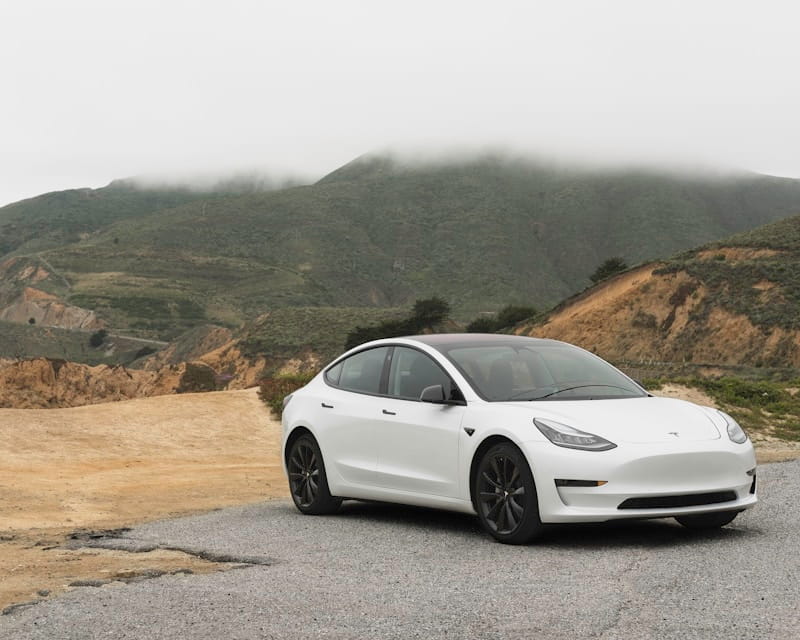
Tesla is the most common EV we service in Southern California, and the vehicles have a few characteristics that come up consistently.
The frunk area and the cabin air intake beneath the windshield cowl are frequent nesting points, and the cowl area in particular gives rodents access to insulation and filter material that is easy to shred. The flat underbody panels create sheltered channels the length of the vehicle, and the battery tray insulation sits directly above them. Wiring in these areas is accessible enough for a rodent to reach but difficult enough for a technician to reach that repair labor climbs quickly.
We service Model 3, Model Y, Model S, Model X, and Cybertruck. Removal, sanitization, and Rodent Armor™ application are all performed on site, which matters for Tesla owners whose vehicle may be showing faults and should not be driven further than necessary. Documentation is included on every job, useful for warranty conversations and insurance claims where the cause of a wiring fault has to be established.
Rodent Protection for Other Electric Vehicle Makes
We service every electric make and model on California roads. The protocol adjusts to each platform, since wiring routing, underbody construction, and cavity access differ significantly between manufacturers.
Rivian and Lucid
Rivian R1T and R1S vehicles have substantial underbody clearance and extensive protective panelling, which creates enclosed space rodents use readily, particularly on trucks parked outdoors or near landscaping. Lucid Air vehicles carry densely packed high-voltage architecture that makes wiring damage expensive to diagnose and reach.
Ford and Chevrolet
The Mustang Mach-E, F-150 Lightning, Chevrolet Bolt, Equinox EV, and Blazer EV are common in both counties. Truck platforms in particular see high activity because they are frequently parked outdoors, on job sites, or in driveways adjacent to vegetation.
Hyundai and Kia
The Ioniq 5, Ioniq 6, EV6, EV9, and Niro EV are among the most common EVs in Southern California outside of Tesla. These platforms share underbody construction that creates accessible cavities around the battery tray.
BMW, Mercedes-Benz, and Audi
The i4, iX, EQS, EQE, e-tron, and Q4 e-tron carry the same wiring complexity as their combustion counterparts with added high-voltage systems. On luxury platforms, labor to access damaged wiring is often the largest line item on the repair.
Porsche, Polestar, and Volvo
Taycan, Polestar 2 and 3, and Volvo EX30, XC40 Recharge, and EX90 vehicles are frequently second or third cars in a household, which means longer parked intervals and more exposure.
Nissan, Volkswagen, Toyota, Honda, and Lexus
The Leaf, Ariya, ID.4, bZ4X, Prologue, and RZ round out the electric vehicles we see most often. These are commonly daily drivers, but garage and carport parking still creates the conditions rodents need.
Plug-in hybrids
PHEVs carry both a combustion engine bay and high-voltage electrical systems, which means two sets of vulnerabilities in one vehicle. We treat both.
If your vehicle is not listed, we service it. The underlying issue is consistent across the category, and the protocol adapts to the platform.
Mobile EV Service Across Los Angeles and Orange County
Our EV service is fully mobile. Technicians come to the vehicle at your home, garage, condo or apartment structure, storage facility, or commercial lot, which matters when a vehicle is showing electrical faults, sitting in long-term storage, or parked in a structure it is difficult to move out of.
In Los Angeles we serve Beverly Hills, Pasadena, Santa Monica, Sherman Oaks, Studio City, Venice, Downtown Los Angeles, and surrounding areas. In Orange County we serve Irvine, Newport Beach, Huntington Beach, Costa Mesa, Anaheim Hills, Mission Viejo, and the surrounding communities. We handle single vehicles, multi-EV households, and commercial and fleet EV properties where several units need service in one visit.
Schedule Your EV Rodent Inspection
If you have found droppings in the frunk, shredded insulation under the vehicle, or a fault code with no obvious cause, schedule an EV rodent inspection and we will come to you.
Get Vehicle Inspection

Vehicles We Work On








































Request a Vehicle Inspection
Contact our team today. Available for emergency service.
California's Premier Vehicle Rodent Protection Specialists
We remove rodents from your engine bay, sanitize the damage they leave behind, and install Rodent Armor™ defense systems that keep them from coming back — permanently.